
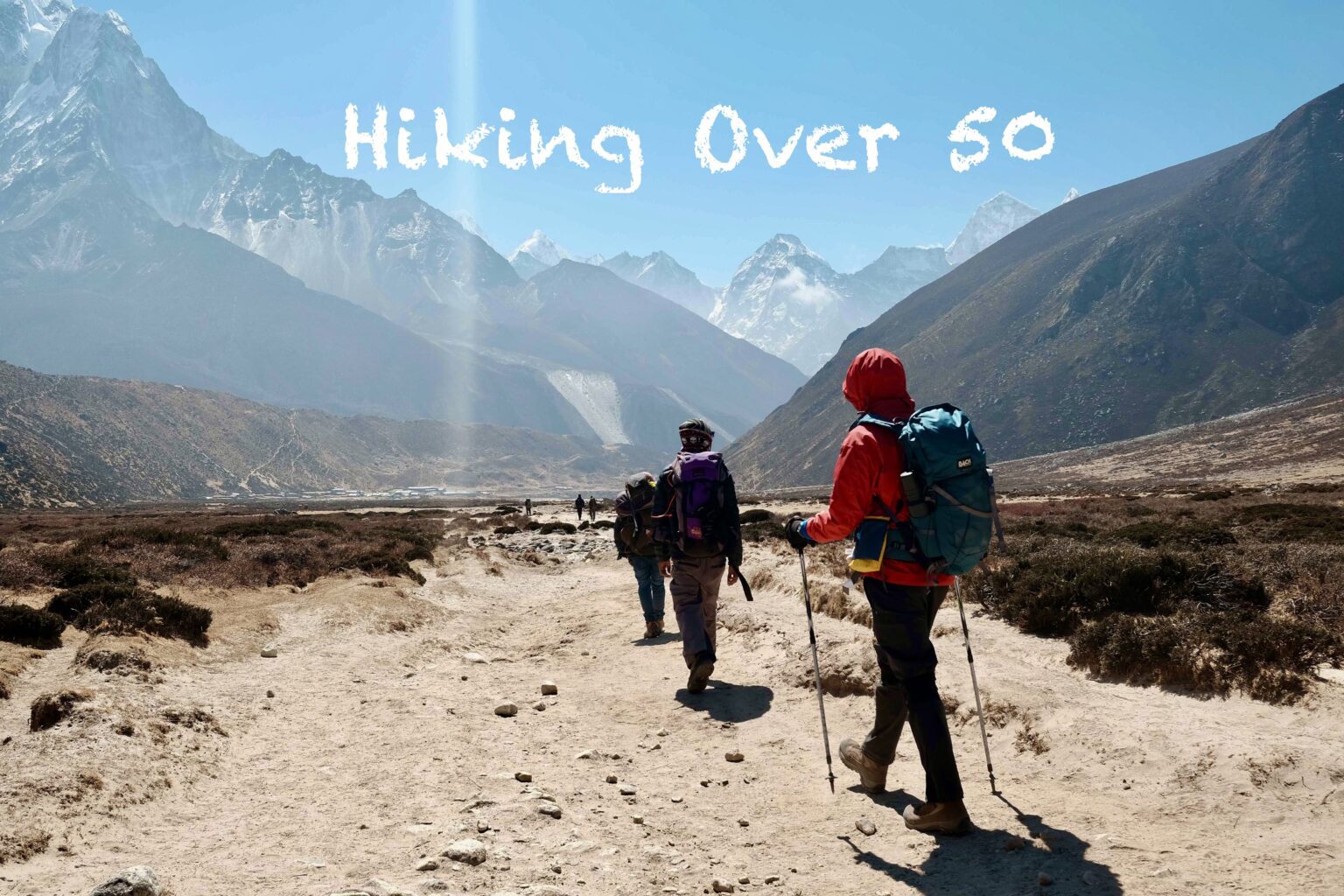
Hiking Over 50
Your next adventure doesn’t need to be a mountain summit. A woodland path, a lakeside loop, or a nearby park can be a rewarding place to begin (or return to) hiking after 50.
Choose a trail that suits your current fitness, prepare for the conditions, and give yourself time to enjoy the experience. This guide will help you plan your hike, pack the essentials, and build confidence at your own pace.
Find the right hiking trail
Start with a trail that matches what you can comfortably do today. If you’re new to hiking or returning after a break, look for a short route with modest elevation gain, a clear path, and opportunities to turn back.
Check more than mileage. Steep climbs, rocky footing, exposed sections, and stream crossings can make a short hike more demanding. Read the park’s trail description and check current conditions before you go.
For your first outing, choose a nearby trail and allow plenty of daylight. Take breaks, enjoy the scenery, and turn around while you still have energy for the return trip. You can build distance and tackle more challenging terrain as your confidence grows.
Gear for hitting the trail
You don’t need to buy everything at once. Start with comfortable footwear suited to the terrain, clothing for the forecast, and a daypack that fits well. Pack for unexpected delays as well as your planned hike.
Use the National Park Service’s Ten Essentials as your packing foundation:
• Navigation: a map and compass, plus offline maps if using your phone.
• Sun protection: sunscreen, sunglasses, and a hat.
• Extra clothing: layers and rain protection.
• Lighting: a headlamp with spare batteries.
• First aid: a kit with blister supplies.
• Fire supplies: matches or a lighter, used only where permitted.
• Repair tools: a small repair kit and an appropriate tool.
• Extra food.
• Extra water and a way to treat water when needed.
• Emergency shelter: a lightweight emergency bivy or similar protection.
Carry any personal medication you need, and learn how to use your equipment before heading out. Adjust your packing for the route, season, and local conditions.
Build confidence at your own pace
Whether you’re starting at 50, 60, or beyond, begin with an outing that feels manageable. A short local trail gives you a chance to try your footwear, get comfortable carrying your pack, and discover what you enjoy.
Choose a pace that lets you appreciate your surroundings. Stop for photos, take breaks, and give yourself permission to turn back earlier than planned. A rewarding hike doesn’t require a distance record.
Afterward, note what worked and what you would change. Was the terrain comfortable? Did you pack what you needed? Use that experience to plan your next outing, increasing the challenge gradually when you feel ready.
If you would enjoy company, invite a friend or look for a beginner hiking group that clearly describes its route, pace, and difficulty.
Hike Safely
Before leaving, check the weather, trail conditions, closures, and guidance from the park or land manager. Share your route and expected return time with someone, including what they should do if you don’t return.
Stay on designated trails, keep track of your location, and allow enough time to finish before dark. Turn back if conditions worsen or the route becomes more demanding than expected.
Carry a charged phone, but don’t assume you’ll have reception. Download maps beforehand and carry a backup navigation method you know how to use. For remote routes, consider whether satellite communication is appropriate.
Give wildlife plenty of space. Never approach, feed, or try to frighten an animal. Follow the land manager’s instructions for the species found in that area.
Hiking with a companion can be a helpful way to begin. Agree on a comfortable pace and stay together throughout the outing.
Hike Responsibly
Help keep the places you enjoy welcoming for the next visitor. Stay on designated trails, avoid shortcuts, and follow posted rules and closures.
Carry out all your rubbish, including food scraps. Leave rocks, plants, fossils, and other natural objects where you find them unless the land manager explicitly permits collecting.
Give wildlife space and keep noise low. Share the trail courteously, allowing others to pass where there is room without trampling vegetation.
If you bring a dog, check that dogs are allowed, follow leash rules, and carry out pet waste. Respecting the place and the people around you is part of every good adventure.
Hiking over 50 with Dogs
A hike with your dog can make an enjoyable outing even better. Start by checking whether dogs are allowed on your chosen trail and what leash rules apply.
Choose a distance and terrain that suit both of you. Bring water for your dog, a bowl, a leash, and waste bags. Allow time for breaks, and pay attention to how your dog handles the conditions.
Keep your dog close and under control around other hikers and wildlife. If you’re unsure whether an outing suits your dog’s health or fitness, ask your veterinarian before going.
Cold Weather Hikes
Cold weather can bring quiet trails and beautiful scenery, but it also changes how you prepare. Check the forecast, daylight hours, and current trail conditions before choosing your route.
Wear layers you can adjust, and carry protection from wind and rain. Pack a warm hat, gloves, extra food and water, and emergency supplies—even for a short outing.
Ice and snow can make familiar trails much more difficult. Choose a route within your experience, and use traction equipment appropriate to the conditions that you know how to use. Turn back if footing becomes unsafe.
Begin with a short outing close to home. Save remote winter routes and avalanche terrain for trips supported by the necessary training, equipment, and local guidance.
Solo Hiking Over 50
Solo hiking offers time to enjoy the outdoors at your own pace, but it requires careful planning. Begin with a familiar, clearly marked route that suits your experience.
Leave your route, parking location, and expected return time with a trusted person. Agree on when they should seek help if you haven’t checked in, and tell them when you return.
Carry your essential supplies and navigation tools, and know how to use them. Don’t rely on mobile reception. Consider satellite communication for remote outings, and understand the device’s capabilities before your trip.
Set a turnaround time and change your plans if conditions worsen. If you’re still building confidence, hike with a companion or group first. Choosing company—or a shorter route—is a sound decision.
Ready to Try Backpacking?
If you enjoy day hikes and want more time outdoors, backpacking may be your next adventure. An overnight trip adds new responsibilities: carrying your equipment, planning meals and water, choosing a campsite, and preparing for changing conditions.
Start with a short route and a manageable pack. Try your equipment before the trip, check permits and camping rules, and consider going with an experienced companion.
There’s no deadline for taking this step. Build confidence on day hikes first, then explore overnight trips when the preparation and the adventure appeal to you.
Plan Your Next Hike!
Choose one nearby trail, check its conditions, and set aside time to enjoy it. Pack your essentials, share your plans, and choose a pace that feels right.
After your hike, note what you enjoyed and what you learned. Each outing can help you make better choices for the next adventure, whether that means another gentle loop or a more challenging trail.
Explore our hiking guides for destination ideas, or visit our Over 50 Outdoors page for more ways to get outside.
Adventure Never Gets Old.
We hope you found these tips helpful! Hiking is a great way to get up and get moving, no matter your age. So, get out there and explore the great outdoors. Who know, you may even find yourself enjoying it so much that you make it a regular activity. Thanks for reading.
For additional hiking tips and information, visit the American Hiking Society.