
Looking up at a star-filled sky can put our daily concerns into perspective. The vastness, beauty, and order of the universe invite questions that reach beyond what we can see: Where did it all come from? Why is there order? What does creation reveal about its Creator?
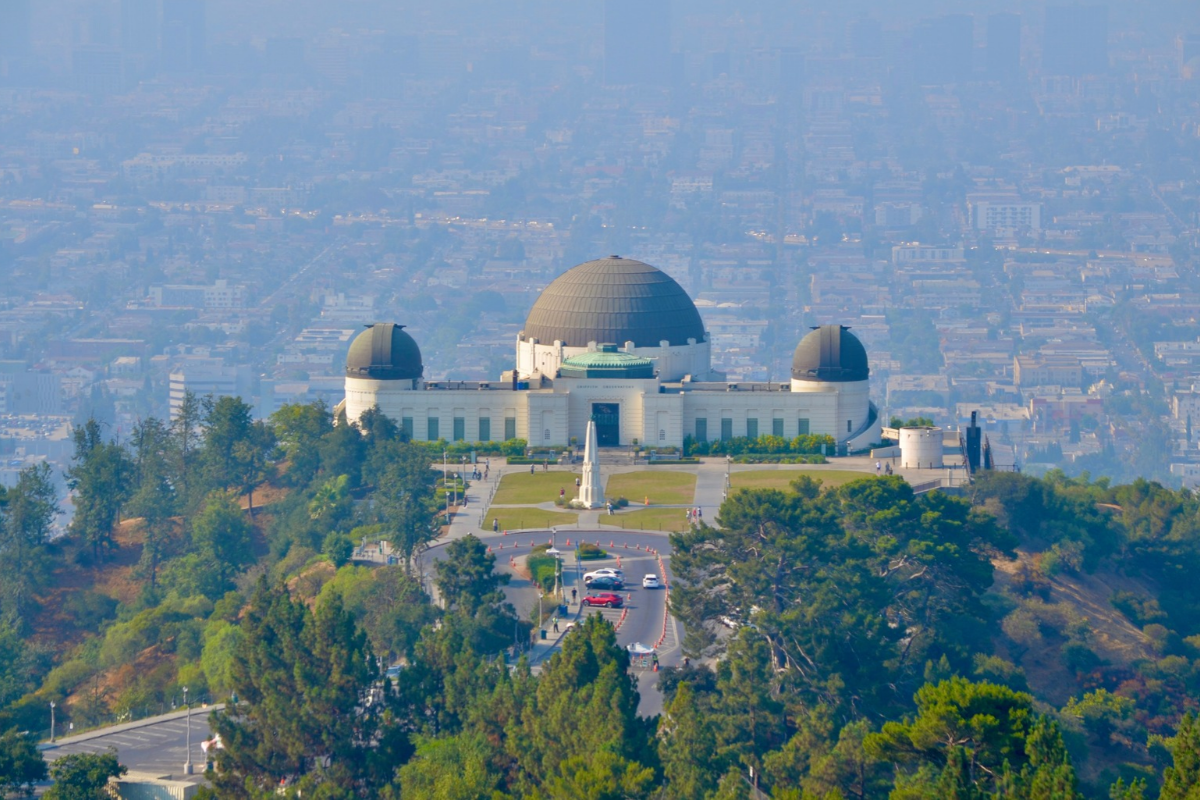
The Astronomers Monument at Griffith Observatory in Los Angeles offers a place for exploring those questions. It honors six influential astronomers whose work helped shape our understanding of the heavens. Most also wrote about God and the relationship between their scientific work and their faith.
In the video below, I explore the monument and share quotations associated with these astronomers. This article takes a closer look at their words and historical context, then considers the message of Psalm 19:1: the heavens declare the glory of God.
Six Astronomers Honored at Griffith Observatory
The Astronomers Monument honors Hipparchus, Nicolaus Copernicus, Galileo Galilei, Johannes Kepler, Isaac Newton, and William Herschel. Their discoveries helped transform our understanding of the Moon, planets, stars, and the laws governing their motion.
These men lived in different eras and did not share identical religious beliefs. As we explore their contributions and words, we can appreciate their curiosity about the heavens while considering a question that remains relevant today: How should we respond to the universe’s beauty and order? Does the fact that most, if not all, of these highly intelligent astronomers acknowledged God’s role in the universe say something?
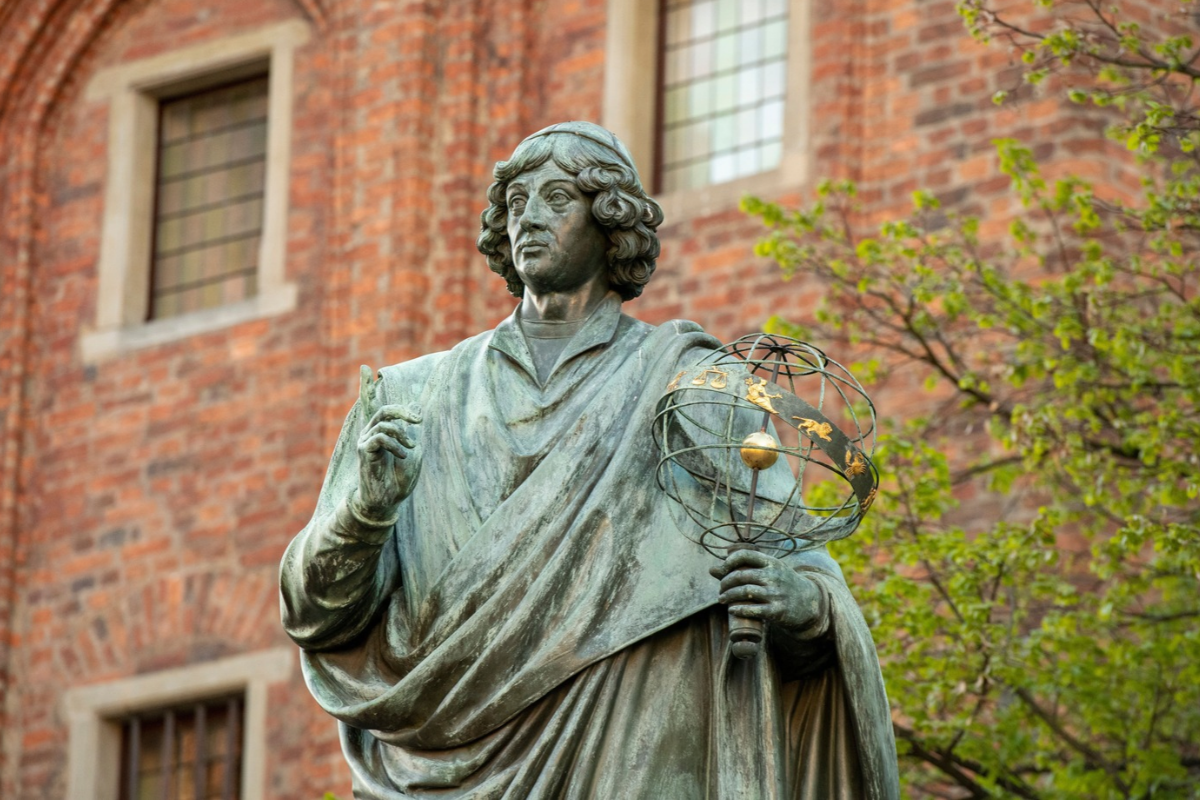
Nicolaus Copernicus: An Orderly Universe and Its Creator
Nicolaus Copernicus challenged the prevailing Earth-centered model by proposing that Earth and the other planets move around the Sun. His work helped reshape humanity’s understanding of our place in the heavens.
In the dedication of On the Revolutions of the Heavenly Spheres to Pope Paul III, Copernicus described the universe as “wrought for us by the supremely good and orderly Creator.” This expression of belief appeared within his discussion of the search for a coherent explanation of celestial motion.
For Copernicus, investigating the heavens could accompany acknowledging their Creator. His words invite us to approach the night sky with curiosity about how it works and gratitude toward the God who made it.
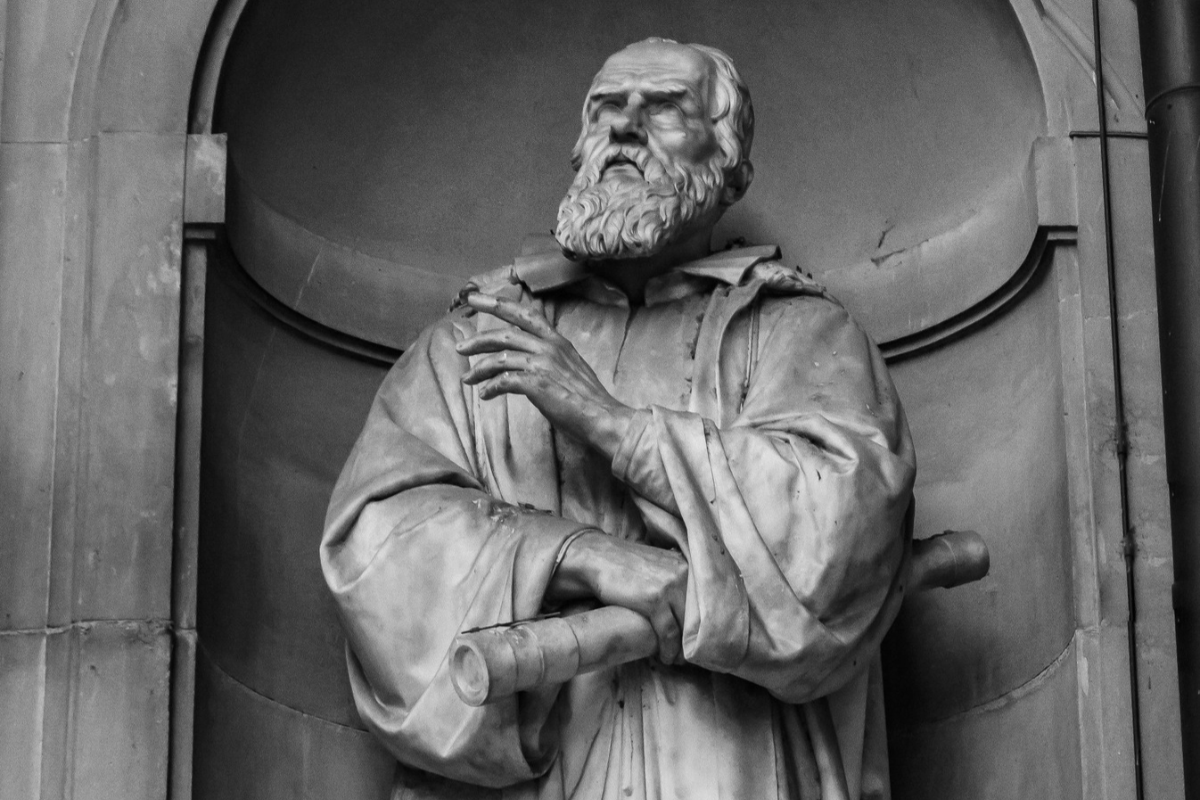
Galileo Galilei: Reading the Book of Nature
Galileo Galilei turned his telescope toward the heavens and helped change how people understood them. His observations included moons orbiting Jupiter and the phases of Venus, providing evidence that challenged the prevailing Earth-centered view.
In The Assayer, Galileo described the universe as a great book written in the language of mathematics. His work demonstrated the value of careful observation and mathematical reasoning in understanding creation.
Galileo’s faith also shaped his thinking about nature and Scripture. His conflict with Church authorities over Earth’s motion reminds us that interpreting the natural world and interpreting biblical passages require care.
For people exploring the outdoors today, studying the details of creation can express curiosity, humility, and gratitude toward its Creator.
Johannes Kepler: Praising God Through Astronomy
For Johannes Kepler, studying the heavens was connected to his faith in God. In a 1595 letter to his former teacher, Michael Maestlin, he reflected on his earlier desire to become a theologian and explained that his astronomical work had become a way to celebrate God.
Kepler’s work helped establish how planets move around the Sun. He saw his investigation of the heavens as an opportunity to honor their Creator.
His example invites us to bring curiosity and gratitude to our own time outdoors. Looking closely at creation can deepen our appreciation of its beauty and move us to praise the God who made it.
Isaac Newton: Order and the Creator
Isaac Newton helped explain planetary motion through his laws of motion and universal gravitation. He also saw the order of the solar system as pointing toward an intelligent Creator.
In the General Scholium added to his Principia in 1713, Newton attributed the arrangement of the Sun, planets, and comets to the counsel and dominion of an intelligent and powerful being.
Newton’s perspective offers something to consider beneath a starry sky: understanding how the heavens move can go hand in hand with a deep interest in the One who made them. For us, studying creation is an opportunity to grow in knowledge, gratitude, and worship.
William Herschel: Exploring the Depths of the Heavens
William Herschel expanded our understanding of the heavens through patient observation and telescopes he built himself. He discovered Uranus and investigated stars, double stars, and nebulae, revealing a universe far richer than the solar system alone.
His work reminds us how much we can discover when we take time to look closely. Beneath a dark sky, even binoculars or a modest telescope can reveal details we might otherwise miss.
For us, those discoveries offer opportunities to appreciate God’s creation and give thanks. The more closely we look, the more reasons we find for wonder.
The Wonder of the Universe
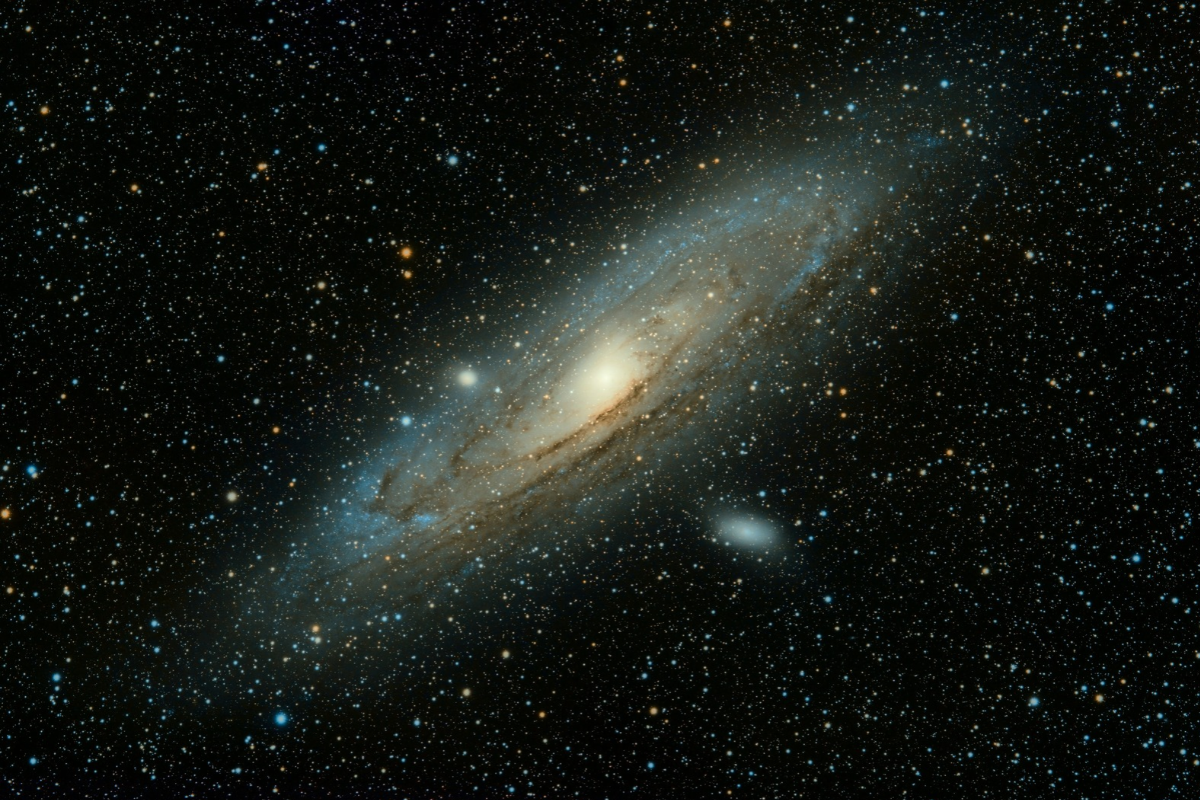
A clear night outdoors offers a view far beyond the landscape around us. The Moon, planets, and stars invite us to consider distances and dimensions that stretch our imagination.
Astronomers distinguish the observable universe, the region whose light has had time to reach us, from the universe as a whole. What we can observe does not necessarily reveal its full extent. Even as our instruments improve, more remains to investigate and understand.
For us, this vastness inspires awe at God’s power. Yet Scripture also reminds us that the Creator cares for people. Psalm 8 places these thoughts together: contemplating the heavens and wondering that God is mindful of us.
You do not need an observatory or an expensive telescope to pause and look up. A quiet evening beneath the stars can become an opportunity for curiosity, gratitude, and prayer.
From Wonder to Knowing the Creator
The next time you pause beneath a star-filled sky, consider the message of Psalm 19:1: the heavens declare the glory of God. For us, the beauty and order of creation invite us to seek and worship its Creator.
The gospel tells us how we can know Him. We have all sinned and need God’s forgiveness. Jesus Christ, the Son of God, died for our sins and rose again. Through repentance and faith in Him, we receive forgiveness and eternal life as a gift of grace, not something we earn through good works (Romans 3:23; 1 Corinthians 15:3–4; Ephesians 2:8–9).
Creation gives us reasons to look up in wonder. Jesus invites us to come to Him in faith.
Visit our Faith page to learn more about the Creator and the good news of Jesus Christ.