
A business trip can offer more than meetings, airports, and hotel rooms. With some planning, it can also create an opportunity to hike a nearby trail, paddle, search for fossils where collecting is permitted, or explore somewhere you might never visit otherwise.
I have added outdoor adventures to business trips in several ways: hiking Mount Olympus in Utah and Camelback Mountain in Arizona with colleagues, kayaking near Park City, fossil hunting around Nashville and Louisville, and exploring Stone Mountain with my wife. These experiences have given me memorable moments beyond the work that brought me there, along with lessons about preparation, time, and choosing an activity that fits everyone involved.
You do not need a travel companion or an extra week of vacation to get started. Whether you have a free evening, a few hours between commitments, or time to extend your stay, this guide will help you find realistic ways to make outdoor adventure part of business travel while keeping your work responsibilities first.
Start with Your Work Schedule
Before choosing an adventure, look at the commitments that brought you to the destination. Meetings, preparation, customer dinners, and travel between locations all need space in your schedule. An outing should fit around those responsibilities without leaving you rushed or unprepared for the next workday.
Look for a realistic window: an evening after meetings, a free morning, or personal time before or after the business portion of the trip. When estimating time, include the entire outing, from leaving the hotel to returning, showering, eating, and getting ready for what comes next. A nearby walk may fit comfortably where a longer hike would create unnecessary pressure.
If you extend your stay, confirm any employer requirements and separate personal expenses from business expenses. When inviting a colleague, make participation optional. Exploring together can be enjoyable, but a solo outing can be just as worthwhile when the activity and conditions suit you.
Choose an Adventure That Fits the Trip
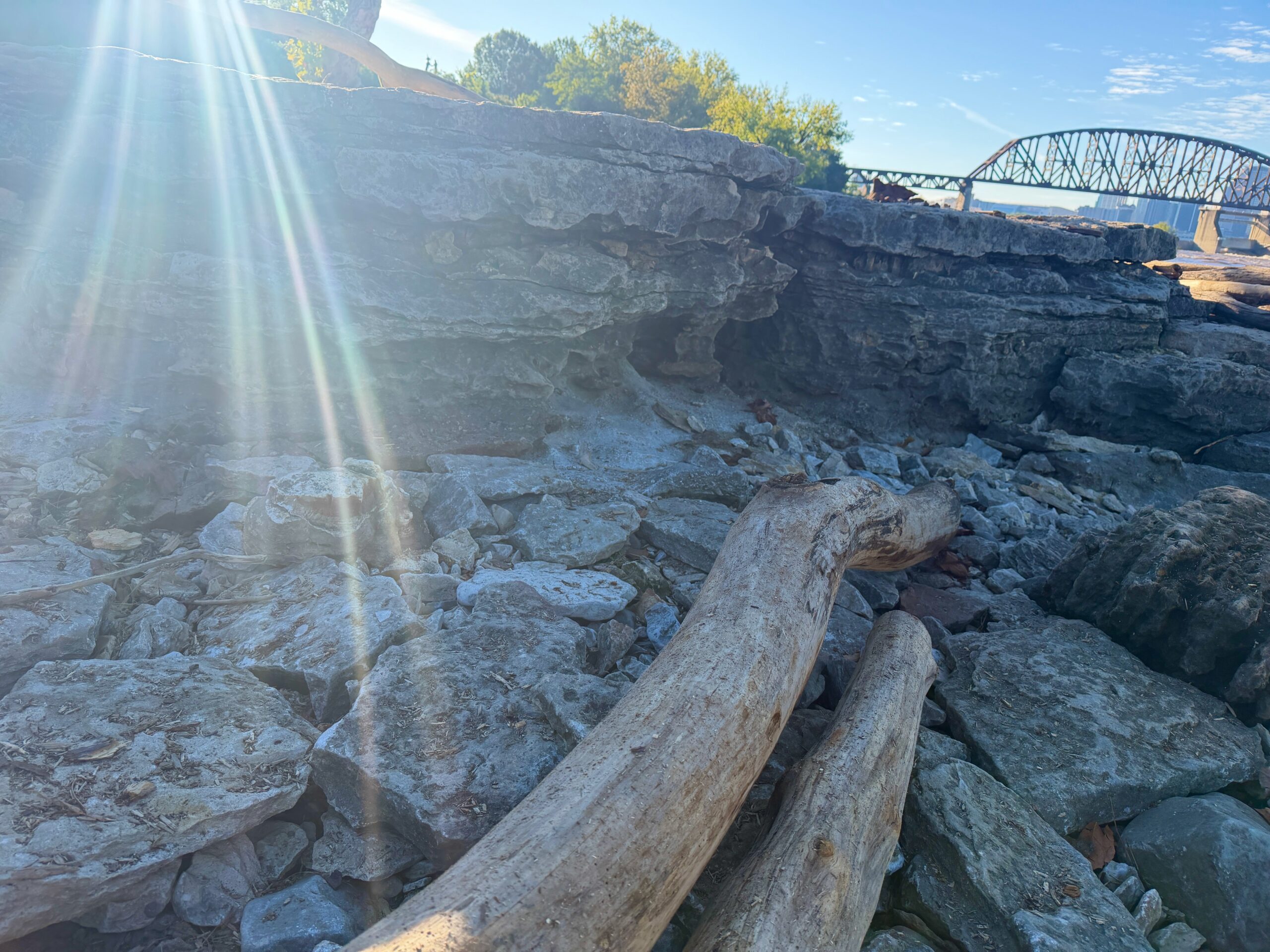
When I have free time on a business trip, sometimes with an interested colleague, I often start with a simple online search. A search like “fossil sites near Louisville” can uncover possibilities I wouldn’t have thought to look for before I arrived.
When I extend a trip at my own expense, I have more room to plan. I use online searches and the AllTrails app to find hikes and explore options near the destination. These tools give me a starting point for deciding what fits my available time and interests.
Start with the time, transportation, and equipment you actually have available. A nearby park, a short trail, or a museum with fossil exhibits can be rewarding when your schedule is tight. With more time, consider a longer hike, a guided paddling outing, or an extra day to explore the area.
Treat search results and app listings as leads, then check official sources for access, opening hours, reservations, current conditions, and activity rules. Look beyond mileage when choosing a hike: elevation gain, terrain, and the return journey can make a short route more demanding than expected. For fossil outings, confirm whether the location allows collecting or is for viewing only.
Keep a simpler alternative in mind if your meetings run late or conditions change. Replacing an ambitious outing with a nearby walk can still turn an ordinary business day into a memorable one.
Make Sure Everyone Knows What to Expect
If a colleague, friend, or family member joins you, talk through the outing before you go. Agree on the route, expected effort, equipment, available time, and when you need to turn back. Someone’s interest in joining does not necessarily mean they understand what the activity involves.
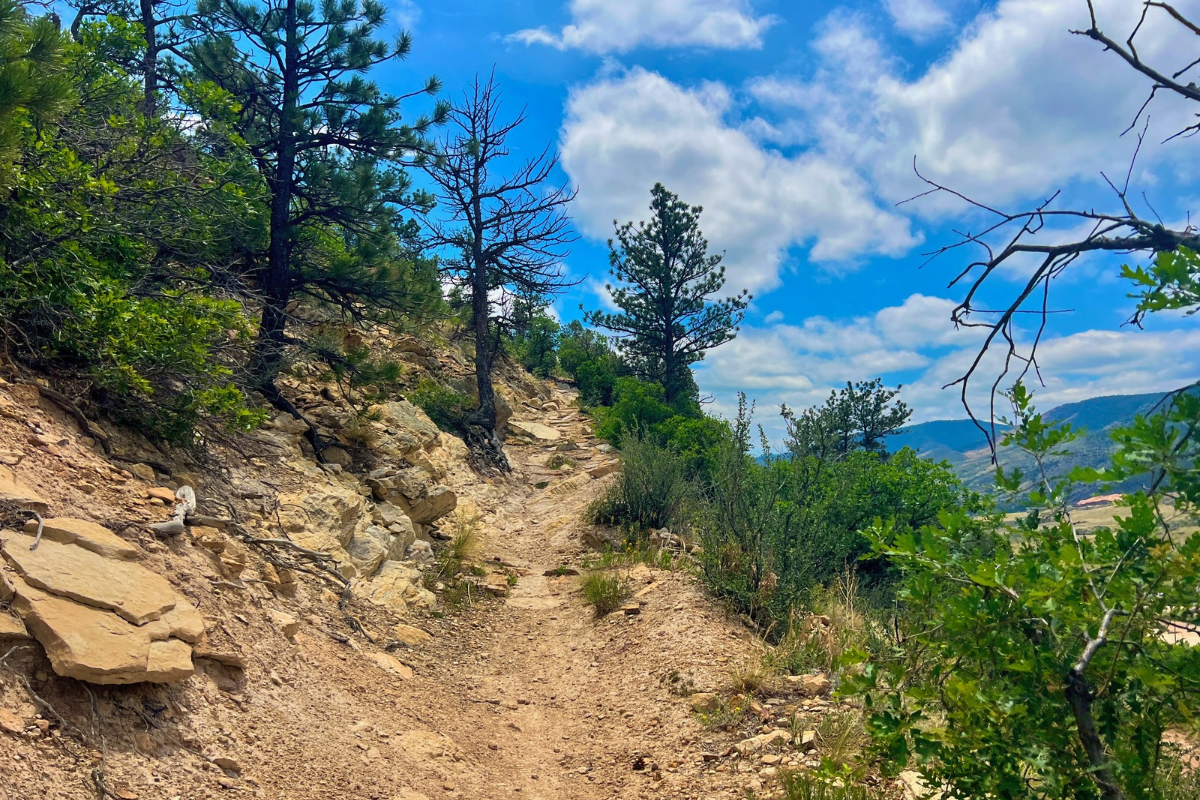
On a business trip to Utah, I planned a hike on Mount Olympus with a colleague and sent route information and details on what to bring beforehand. My colleague hadn’t read the guidance and arrived unprepared. The experience reminded me that sending information is only the first step and doesn’t guarantee that the other person will be ready. On this hike with an unprepared colleague, the only responsible thing to do was to turn back without reaching the summit.
Choose an outing that works for everyone who is going, and leave room to change the plan. Reaching a summit or completing a particular route should never become an obligation to a colleague. The shared experience can still be worthwhile when you turn around earlier than expected.
If you are exploring alone, use the same planning questions to assess your own readiness. Choose an activity within your experience, share your plans and expected return time with someone you trust, and be willing to choose a simpler option.
Plan Your Gear Before You Pack
Once you have an outing in mind, make room for what it requires alongside your work clothes and equipment. It’s easier to plan suitable footwear, outdoor clothing, and a daypack at home than to improvise after you arrive. Choose gear for the activity and expected conditions rather than assuming your business travel clothes will do both jobs.
Think through transportation as well. If you will rely on a taxi or rideshare service, check whether a return pickup is realistic at the destination. A trailhead outside town may be easy to reach but difficult to leave without your own vehicle.
For activities that require specialized equipment, consider an established local outfitter or guided option. Confirm what is included and what you must bring before booking. Renting equipment can simplify packing, but you still need to choose an activity suited to your experience.
Leave room in your schedule to clean up and reorganize afterward. Muddy footwear and wet clothing need attention before your next meeting or flight. A little planning helps the outdoor portion fit comfortably around the work portion.
Think Beyond Hiking
Hiking is one way to explore during a business trip, but it is far from the only option. Paddling, fossil exhibits, public gardens, and scenic walks can offer different ways to experience a destination. The best choice depends on what interests you and how much time you have.
My own business travel adventures have included kayaking near Park City, fossil hunting around Nashville with my boss, and looking for fossils near Louisville. Those experiences reflect a habit of asking what might be nearby to discover, rather than limiting every trip to the airport, hotel, and meeting venue.
You can also look for opportunities to share part of the experience. I have explored with colleagues and added time with my wife, including a visit to Stone Mountain. When schedules or interests do not align, choosing an appropriate solo activity can still make the trip more rewarding.
Start with your curiosity. A modest outing that you enjoy is a better fit than an ambitious adventure chosen simply because it is the destination’s most famous attraction.
Find an Adventure on Your Next Business Trip
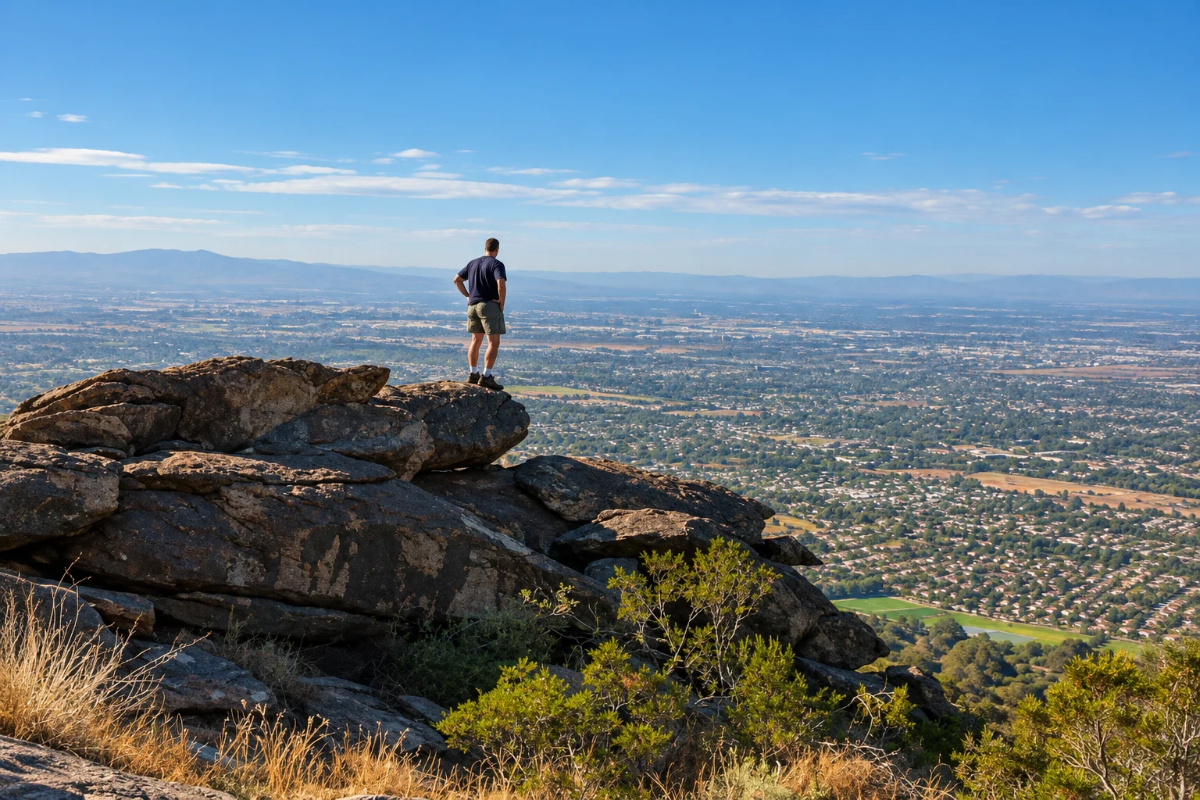
Before your next business trip, take a few minutes to look beyond the meeting location. Search for a nearby trail, an interesting park, a paddling opportunity, or a place to learn about fossils. Choose one realistic possibility and keep an alternative in mind.
You do not have to reach a summit or fill every free hour. A short outing can introduce you to a place you might otherwise pass through without experiencing. Whether you explore alone or with others, a little curiosity and preparation can give you something to remember beyond the work.
Explore our outdoor travel ideas and hiking guides for more inspiration, or visit Over 50 Outdoors for practical ways to keep exploring.
Adventure Never Gets Old™