
A sunny day can invite kayaking, but air temperature tells only part of the story. Water can remain dangerously cold even when the weather feels warm. Planning a paddle means considering both the conditions above the water and what could happen if you unexpectedly enter it.
This guide covers practical differences between warm- and cold-weather paddling, including clothing, sun protection, and preparation. Wear a properly fitted life jacket throughout your outing, and choose conditions that match your skills and equipment. Plan your clothing for the water temperature and the weather.
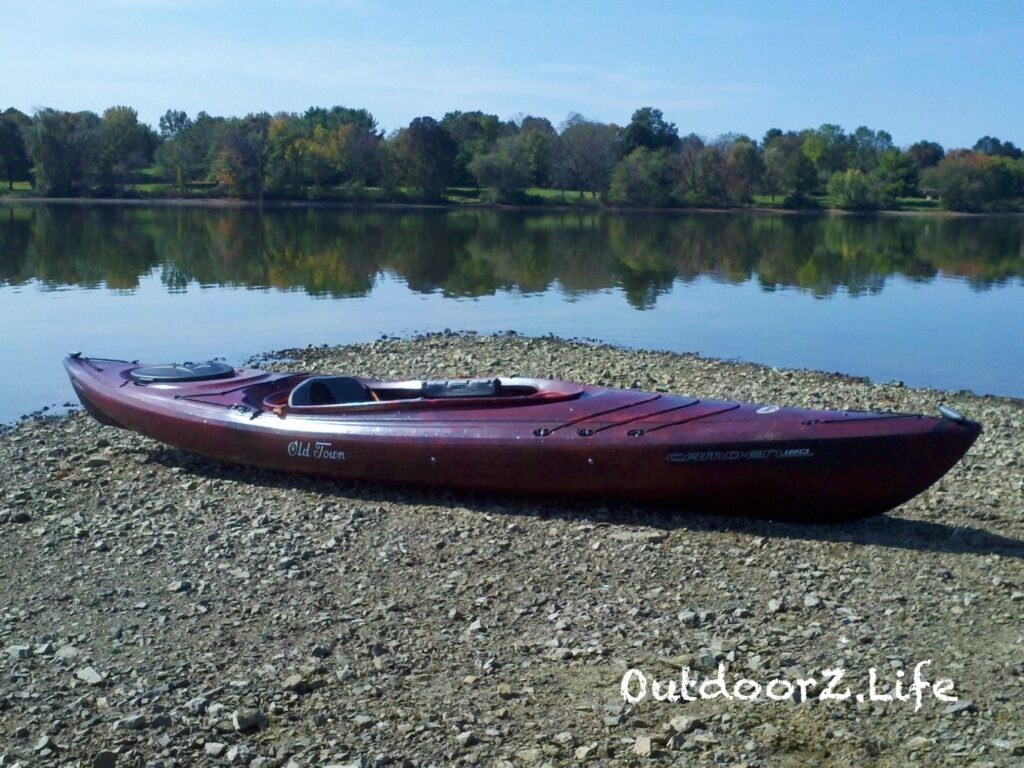
Warm Air Does Not Always Mean Warm Water
Warm weather paddling calls for preparation for sun exposure, heat, and dehydration. It also requires checking the water temperature rather than assuming a comfortable afternoon means comfortable swimming conditions.
Unexpected immersion in cold water can trigger an involuntary gasp and rapid breathing, followed by a loss of strength and coordination that makes swimming or getting back into your kayak difficult. These dangers can occur before hypothermia develops. Wearing a life jacket and preparing for immersion matter even on a sunny day.
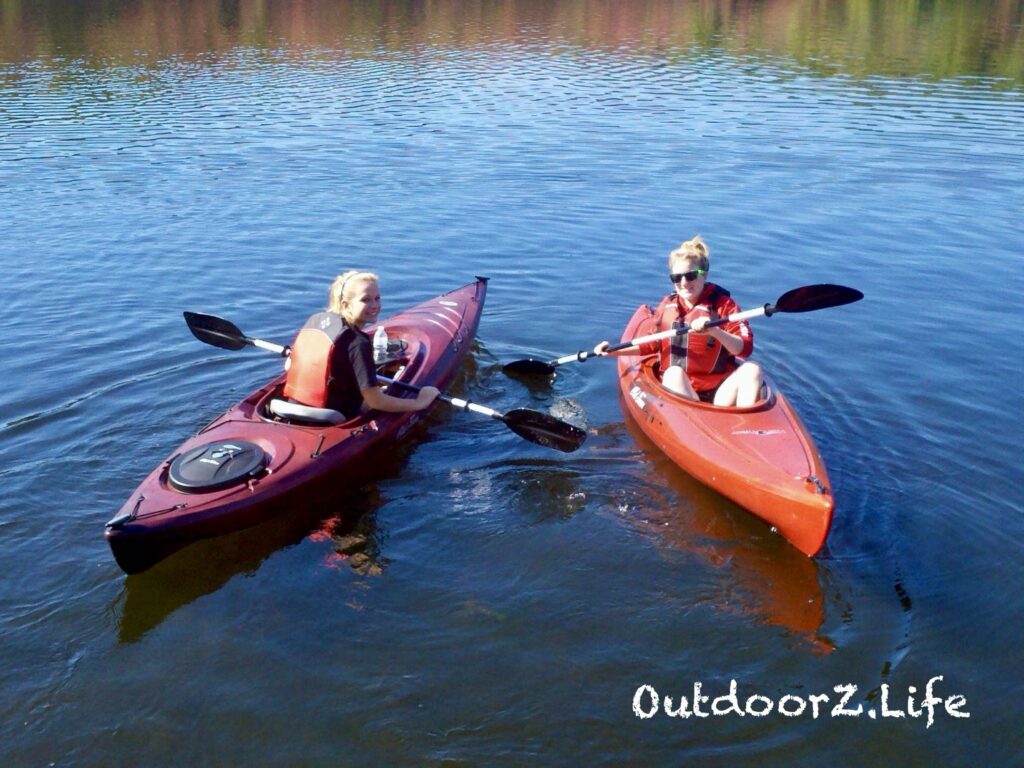
Plus, warm weather can make it easier to underestimate water temperature. Lakes and rivers can still be icy cold in the heat of summer. If you capsize and have to swim, you could still be susceptible to hypothermia despite the warm air.
Prepare for Sun, Heat, and Changing Conditions
Check the forecast, wind, water conditions, and available landing places before launching. Plan a manageable route and allow time to return before conditions worsen. Bring drinking water where you can reach it, take regular breaks, and choose sun-protective clothing compatible with the immersion protection needed for the water temperature.
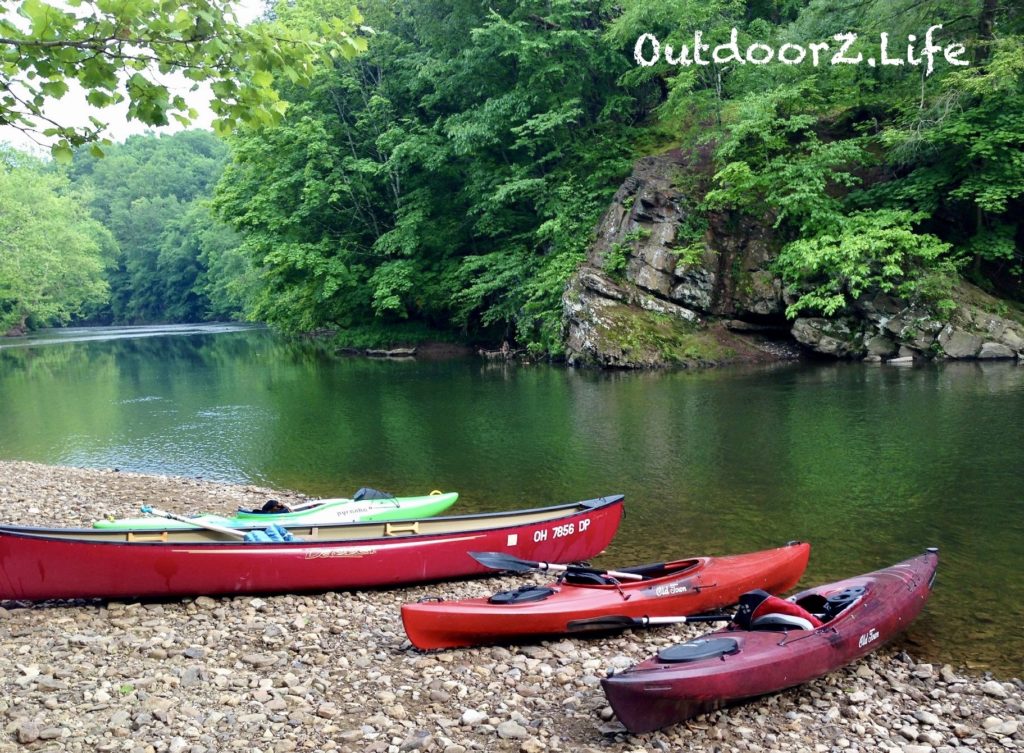
Wear UV-protective sunglasses, apply sunscreen as directed, and choose a hat that works comfortably with your paddling equipment. Plan breaks where you can rest and get relief from the sun.
Carry spare clothing in a waterproof dry bag, but remember that dry clothes and a towel only help once you can safely leave the water and change. They do not replace clothing designed to protect you during immersion. If you are unsure what protection the conditions require, ask a qualified paddling instructor before launching.
Understand the Risks of Cold Water
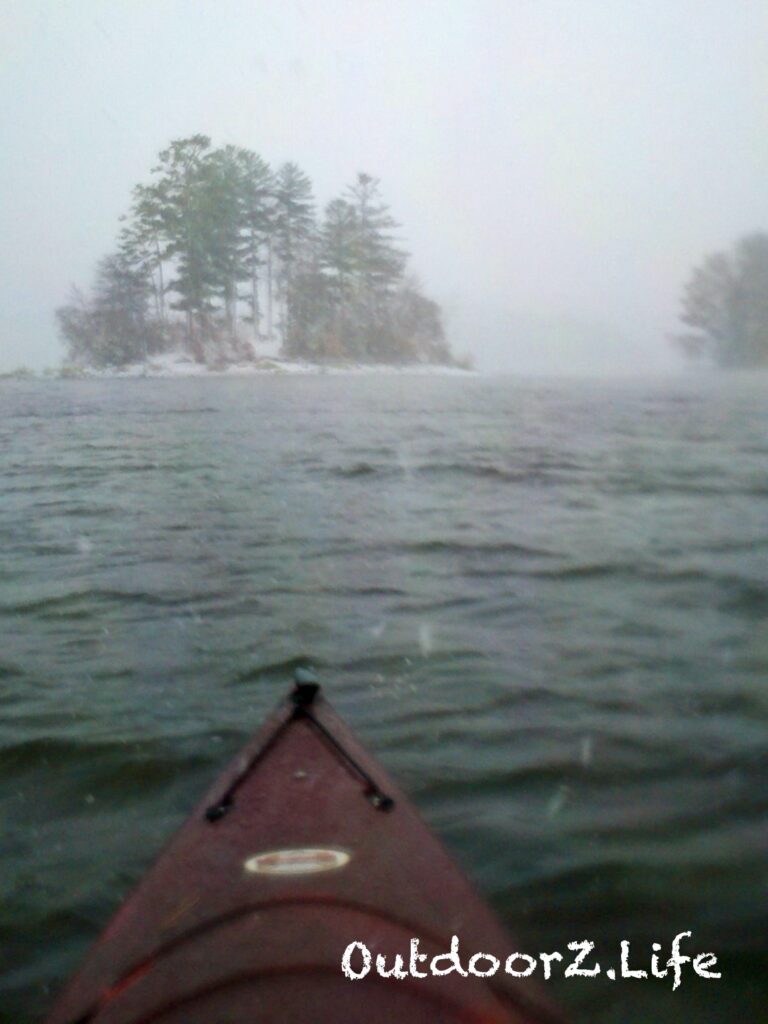
Cold water requires preparation beyond dressing comfortably while seated in your kayak. A capsize can expose you to cold shock, make it hard to control your breathing, and reduce your ability to swim or help with your rescue. Continued exposure can lead to hypothermia.
Wind, waves, rain, and distance from a suitable landing place can make an emergency harder to manage. Choose an outing within your skills and equipment, and postpone it when you cannot adequately prepare for an unexpected immersion.
Choose Clothing for Cold Water Immersion
Cold water paddling requires appropriate immersion protection and the skills to respond to a capsize. A properly selected wetsuit or paddling drysuit may form part of that protection, depending on the conditions. Seek guidance from a qualified paddling instructor about an appropriate clothing system for your intended outing.
A typical paddling drysuit keeps water out, but you need suitable insulating layers underneath for warmth. Fit, seals, closures, and maintenance matter. Follow the manufacturer’s instructions, wear your life jacket, and practice using your equipment and rescue skills under qualified supervision before relying on them in cold water.
Include suitable protection for your head, hands, and feet in your paddling clothing system. Check that you can grip the paddle and operate buckles, closures, and rescue equipment while wearing it. Practice these tasks before the outing, and seek instruction on cold-water-appropriate equipment.
Review the National Weather Service cold-water safety guidance before planning a cold-water outing. Use it alongside practical instruction from a qualified paddling instructor.
Plan Before You Launch
Leave a float plan with someone you trust, including your route, companions, expected return time, and what to do if you are overdue. Paddle with companions with skills suited to the outing, and carry a way to call for help appropriate to the location.
A rewarding paddle starts with choosing conditions you can handle. Check both air and water conditions, wear your life jacket, and be willing to shorten, change, or postpone the outing.
Explore our kayaking guides and Over 50 Outdoors resources for more outdoor planning ideas.
Adventure Never Gets Old™