
Thinking about your first backpacking trip, or returning after years away? Backpacking over 50 starts with choosing an adventure that fits your interests, current abilities, and comfort with carrying an overnight pack. A manageable route, well-chosen gear, and time to prepare can help you approach the trip with more confidence.
This guide covers practical considerations for preparation, route selection, food, equipment, and pacing. The goal is to enjoy the experience at a level that works for you, whether that means a short overnight outing or building toward a longer adventure.
Choose Your Own Backpacking Adventure
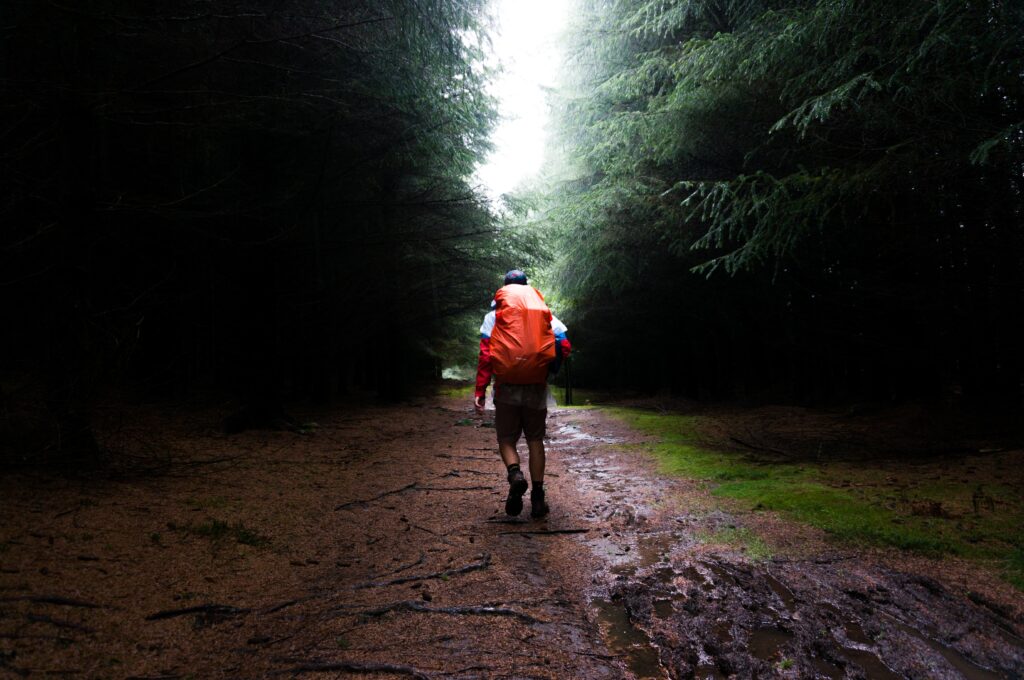
There is no single version of a successful backpacking trip. You might enjoy one night at an established backcountry campsite, a familiar trail with modest elevation changes, or a longer route after gaining experience. Choose the distance, terrain, and pack weight around your current abilities and preparation rather than expectations about what someone your age should do.
Build Up to Carrying Your Pack
Prepare for the walking, terrain, and pack load your planned trip will involve. Start with manageable day hikes while carrying a day pack, then gradually increase the distance, terrain difficulty, or carried weight as you become comfortable. Carrying some additional gear on practice hikes can help you get accustomed to a heavier load, but increase the challenge gradually rather than changing everything at once.
Before an overnight trip, take your actual backpacking pack on day hikes with the equipment you expect to carry. These outings give you time to adjust the hip belt, shoulder straps, and load distribution, and discover anything that rubs, shifts, or feels uncomfortable. Start with shorter routes and work toward your expected trip load. There is no universal walking speed or distance that proves you are ready for backpacking.

Use your practice hikes to learn how you feel during the outing and how well you recover afterward. If the planned distance or load feels too demanding, adjust the trip or allow more preparation time. Finishing a practice hike comfortably can be more useful than chasing a particular pace.
Preparation should reflect your individual health and circumstances. If you have a health condition, an injury, or concerns about increasing your activity, consult your healthcare professional about preparing for your planned trip.
Research Your Route and Overnight Stops
Choose a route that matches your preparation, considering daily mileage, elevation changes, trail surfaces, and the weight you will carry. Review campsite options, water availability, permit requirements, food storage rules, and any current closures or alerts. For a first trip or a return after time away, a shorter overnight route can make planning more manageable.
Start with current information from the park or land manager. Trail apps and recent hiker reports can add useful context, but check important access details and rules against official sources. Know where you plan to camp, how you will obtain and treat drinking water, and what options you have to shorten or leave the route if needed.
Plan Food and Water for Your Trip
Pack meals and snacks you enjoy, have tried before, and can prepare with the equipment you will carry. Consider their weight, storage needs, preparation time, and fuel requirements. Include food for the planned outing plus an extra supply for an unexpected delay. Follow local food storage rules, including any requirements for wildlife resistant containers.
Plan how much water to carry between reliable sources and how you will treat water collected along the route. Check current conditions because a stream shown on a map may be seasonal or dry. Keep snacks and drinking water accessible so you can take regular breaks without unpacking everything.
Practice Using Trekking Poles
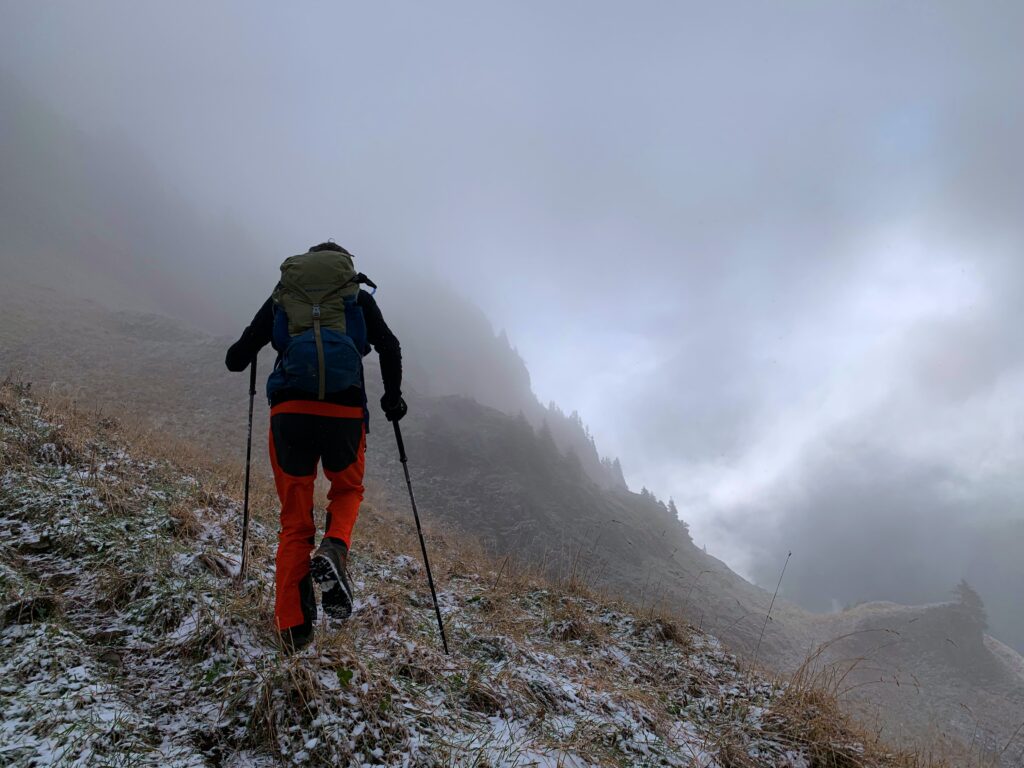
Trekking poles can provide additional points of support while walking with a pack. Whether you find them useful depends on the terrain, your preferences, and how comfortably you use them. Try them on day hikes before relying on them during an overnight trip.
Practice adjusting their length, placing the tips securely, and keeping them clear of your feet. Follow the manufacturer’s instructions and any local restrictions on pole tips. Poles are an optional tool, and they do not guarantee that you will avoid a fall.
Prepare for Delays and Emergencies
Leave your route, planned campsites, expected return time, and instructions for an overdue return with someone you trust. Carry navigation tools you know how to use, a headlamp, first aid supplies, extra food, and clothing and shelter appropriate to the conditions. Make sure essential equipment is accessible and that you know how to use it before leaving.
Do not assume your phone will have service along the route. Consider whether a satellite communication device or personal locator beacon is appropriate for your destination. Understand the device’s capabilities, coverage, registration or subscription requirements, and emergency procedures before the trip. Carrying a device does not replace preparation or guarantee an immediate rescue.
Set a Comfortable Pace and Enjoy the Trail
Plan your days around a pace you can comfortably maintain with your loaded pack. Allow time for breaks, photographs, changing weather, and finding your campsite before dark. Elevation changes and rough surfaces can make a short distance take longer than expected.
Talk with your hiking companions about the day’s plan and adjust it to suit the group. There is no need to keep up with another person’s pace or mileage goals. Leave time to notice the views, enjoy the company, and appreciate the experience you came for.
Make Your Next Adventure Manageable and Memorable
Backpacking over 50 can begin with a modest overnight trip and grow with your experience and interests. Choose a route that fits your preparation, test your equipment, and give yourself time to enjoy being outdoors. A rewarding trip is one that works for you and leaves you looking forward to another adventure.
Explore our backpacking guides, hiking guides, and Over 50 Outdoors resources for more planning ideas.
Adventure Never Gets Old™