



National Parks Planning & Tips
You don’t have to tackle a strenuous hike or see every landmark to enjoy a national park. A scenic drive, a waterfall walk, or time at an overlook can make a visit memorable.
This page will help you plan a trip that fits your interests, available time, and comfort level. We’ll cover choosing a park, deciding what to do, checking important details before you go, and leaving room to enjoy the unexpected.
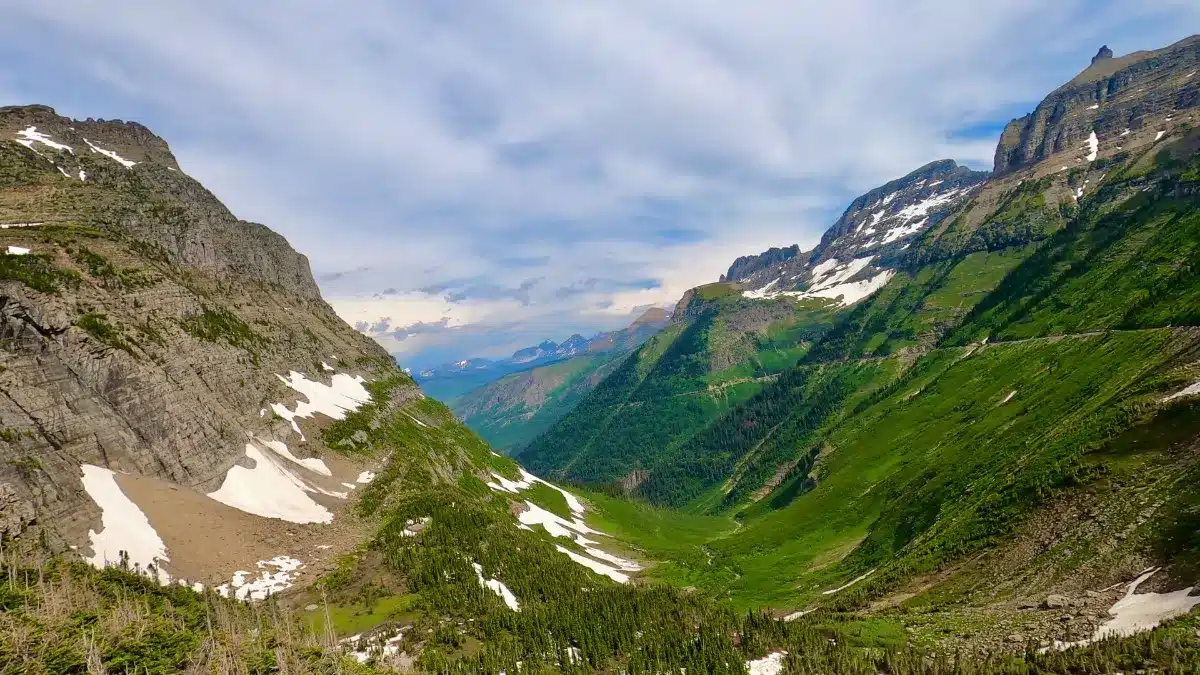
Start with the Experience You Want
Before choosing a park, think about what you’d most enjoy doing there. Are you hoping for mountain views, waterfalls, wildlife, quiet walks, or a longer hike? You don’t need to plan the same kind of trip as everyone else.
Pick one or two experiences that matter most to you, then build your day around them. If you’re traveling with others, talk about walking distances, uneven footing, and how much activity everyone wants. Leave room for breaks and stops that catch your attention.
Our Mount Rainier visit was a good example. Scenic stops, a waterfall walk, and glacier views gave us a memorable day without taking on the longer Skyline Trail.
Give Yourself Time to Enjoy the Park
It’s tempting to fill a park day with every stop that looks interesting. Instead, choose your priorities and leave room to breathe. Your plan should include time to enjoy a place, not just reach it.
Consider the driving route between stops, as well as the walking distances. Add time for parking, meals, restroom breaks, and viewpoints. If your schedule feels crowded before you leave home, decide which stops you’d be comfortable skipping.
It also helps to be flexible and have alternatives. During our Olympic National Park visit, the visitor center webcam showed Hurricane Ridge covered in clouds. We explored waterfalls first and returned to the mountain views later, when the weather had improved.
Look Beyond the “Easy” Trail Label
An “easy” rating is a starting point, but it doesn’t tell you everything about a walk. Look at the distance, elevation change, trail surface, steps, and the climb back to where you started. Consider how those details match your group’s comfort level.
Check where the listed mileage begins, too. Walking from your parking spot or visitor center can add distance beyond the named trail. Trace the whole outing, including the return, rather than relying on a single number.
On our Nisqually Vista outing at Mount Rainier, we walked more than 2 miles, including our approach from the visitor center area. Our group had different opinions about how easy it felt. At Narada Falls, the short descent to the viewpoint meant an uphill walk afterward. Both experiences reminded us to look beyond the label when choosing a trail.
Check the Details Before You Go
Use firsthand stories to find ideas, then check the park’s official website for the details that apply to your dates. A previous visitor’s experience can help you plan, but it can’t confirm what will be open when you arrive.
Before booking, check whether your plans require an entrance reservation, activity permit, campsite, or other advance arrangement. Closer to your visit, review road and trail closures, weather, and operating hours for the places you want to stop.
Keep a short checklist for your trip: what needs booking, which roads you’ll use, where you’ll start your walks, and your alternative if conditions change. The National Park Service’s planning resources are a useful starting point.
Make Room for Everyone’s Kind of Adventure
A good park visit doesn’t require everyone to enjoy the same activities. One person may want a longer hike, while someone else would rather photograph a waterfall, explore a visitor center, or enjoy a scenic overlook.
Talk about those preferences before building your itinerary. Choose shared stops everyone can enjoy, and discuss any separate activities in advance, including where and when you’ll meet again.
If you’re visiting on your own, give yourself the same freedom to choose what interests you. You don’t need a companion or an ambitious itinerary to make the trip worthwhile. Start with an outing you feel comfortable planning, and let your confidence grow through experience.
Use Our Guides to Plan Your Next Visit
Our park guides combine firsthand experiences, original photos, and practical details to help you choose what you’ll enjoy. The individual hiking stories take a closer look at the route, footing, effort, and memorable moments along the way.
Start with our National Parks page to explore the available guides. If walking is part of your plan, our Hiking Over 50 guide offers more ideas for choosing an outing that fits your interests and comfort level.
You don’t have to see everything in one visit. Pick a few experiences you’re excited about, prepare for them, and leave yourself time to enjoy being there.
Adventure Never Gets Old™