
You don’t have to run every step—or enter a race—to enjoy trail running after 50. A good starting point is an easy trail where you can combine walking with short stretches of comfortable running.
This guide will help you choose your first route, prepare for the conditions, and build confidence at your own pace. The goal is to enjoy time outdoors and find an approach that fits your current fitness, interests, and comfort.

1. Start with Your Current Fitness
Start from the activity you can comfortably do today. If you’re new to exercise, begin with walking and build gradually before adding running.
If you have a chronic health condition, an existing injury, or concerns about your ability to exercise, talk with your healthcare professional about an appropriate starting point. Ask how your health needs may affect running on uneven terrain.
2. Choose Comfortable Gear for the Trail
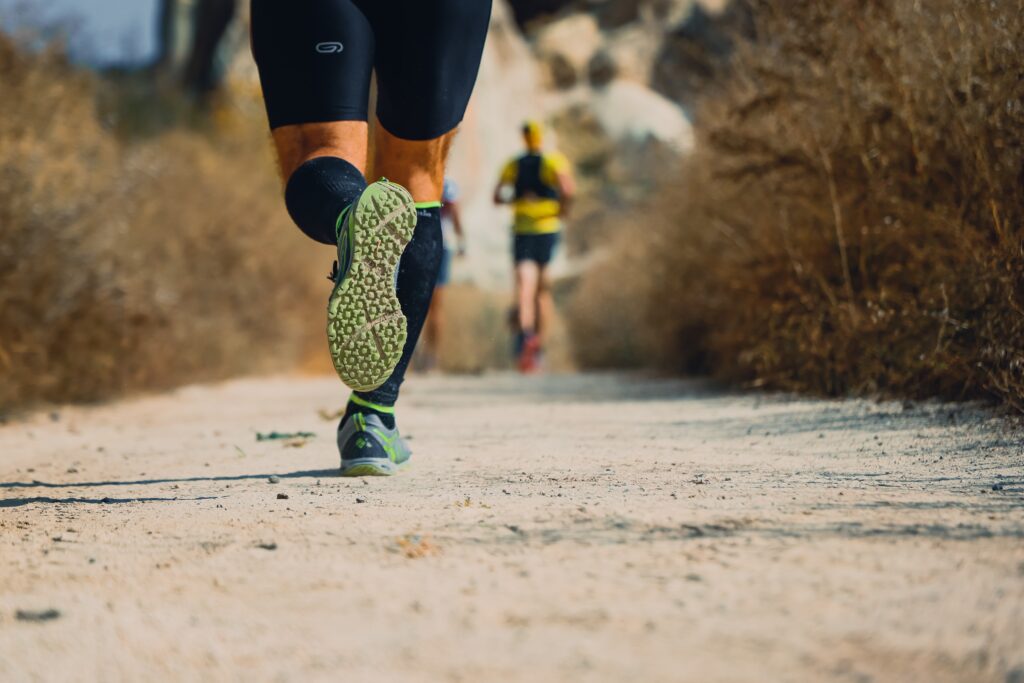
Choose running shoes that fit comfortably and provide traction suited to your route. Trail running shoes can be useful on loose or uneven surfaces. Try them on and walk in them before your first outing.
Wear clothing that lets you move freely and suits the forecast. Bring sun protection and an extra layer when conditions call for it.
Carry water, a trail map, your phone, and basic emergency supplies in a comfortable pack or belt. Match your supplies to the weather, route length, and distance from help. You don’t need a GPS watch or an expensive outfit to get started.
3. Begin with Walking and Short Running Intervals
Begin your outing by walking to warm up and get familiar with the trail. On a smooth, level stretch, try a short, relaxed jog, then return to walking. Repeat only while you feel comfortable—you can walk the entire route if that suits you better.
Let the terrain guide your pace. Walk hills, rocky sections, roots, and slippery surfaces. Your first outings are about getting comfortable on the trail, rather than reaching a particular speed or distance.
Finish with an easy walk. Allow time to recover between outings, and build gradually as your current routine becomes comfortable. Avoid increasing distance, speed, and difficulty all at once.
4. Choose an Easy Trail for Your First Outings
Choose a short, well-marked route with a mostly smooth surface and little elevation change. A familiar walking trail can be a good starting point, provided running is allowed. Save steep climbs, rocky terrain, and remote routes for later.
Check the trail map, current conditions, closures, and weather before leaving. Allow enough daylight to finish comfortably, and choose a route where you can turn around or shorten your outing easily.
Tell someone where you’re going and when you expect to return. Carry a map you can use without cell service, and don’t rely on your phone having a signal. If conditions are worse than expected, choose another route or try another day.
5. Make Walking and Rest Part of the Outing
Walking breaks are part of trail running. Use them whenever you want to catch your breath, navigate uneven ground, or enjoy the scenery. There’s no requirement to run the whole route.
Stop in a safe place when you need to rest, drink, or adjust your gear. Keep track of your energy and leave enough for the return journey. Turning around early is a sensible choice when the outing feels harder than expected.
Afterward, notice how you feel before planning your next outing. Repeat a comfortable route as often as you like before trying something longer or more challenging.
6. Find Company That Matches Your Pace
A friend or welcoming trail running group can make your first outings more enjoyable. Look for people who are comfortable mixing walking and running, taking breaks, and staying together.
Before joining a group, ask about the route, distance, terrain, expected pace, and whether anyone stays with the last participant. A beginner outing should give you room to learn without pressure to keep up.
If you go with a friend, agree on the route and turnaround point before starting. Choose company that respects your comfort level and shares your goal of enjoying the trail.
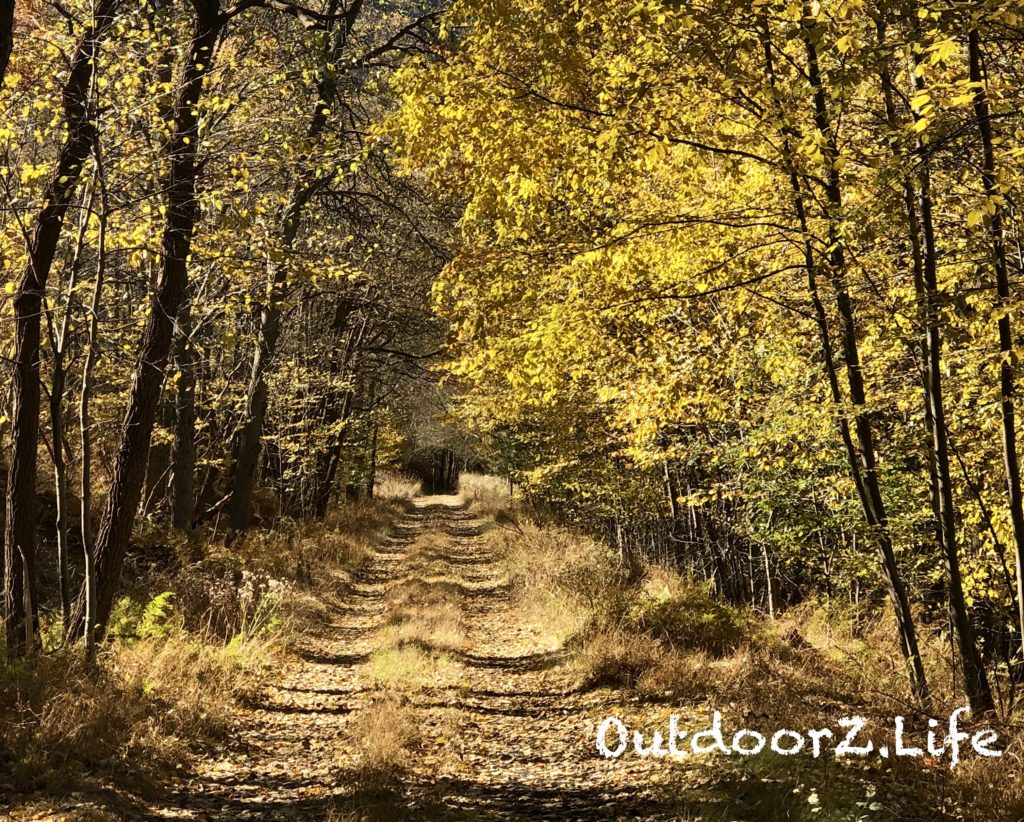 Start trail running over 50 on a level trail.
Enjoy Your First Trail Outing
Choose an easy route, bring what you need, and give yourself permission to walk. Your first outing can be a chance to explore and learn what feels comfortable, without a finish time or race goal.
For more ways to explore at your own pace, visit our hiking guides and Over 50 Outdoors. For help preparing for conditions and planning your trip, read our outdoor safety guide.
Adventure Never Gets Old.
For a good source of additional information, visit the American Trail Running Association website.
Note: This guide provides general information, not individualized medical advice. If you have a health condition, an injury, or concerns about starting trail running, consult your healthcare professional about activities appropriate for you.