
Outdoor adventures after 50 can include woodland walks, paddling trips, national park visits, and much more. Preparing for the activity, conditions, and your individual needs helps you make informed decisions and enjoy your time outside.
This guide covers practical ways to plan ahead, choose suitable equipment, prepare for changing weather, and recognize when to stop or seek help. Whether you’re returning to a favorite activity or trying something new, start with an outing that suits your current abilities and experience.
Dress for Changing Conditions
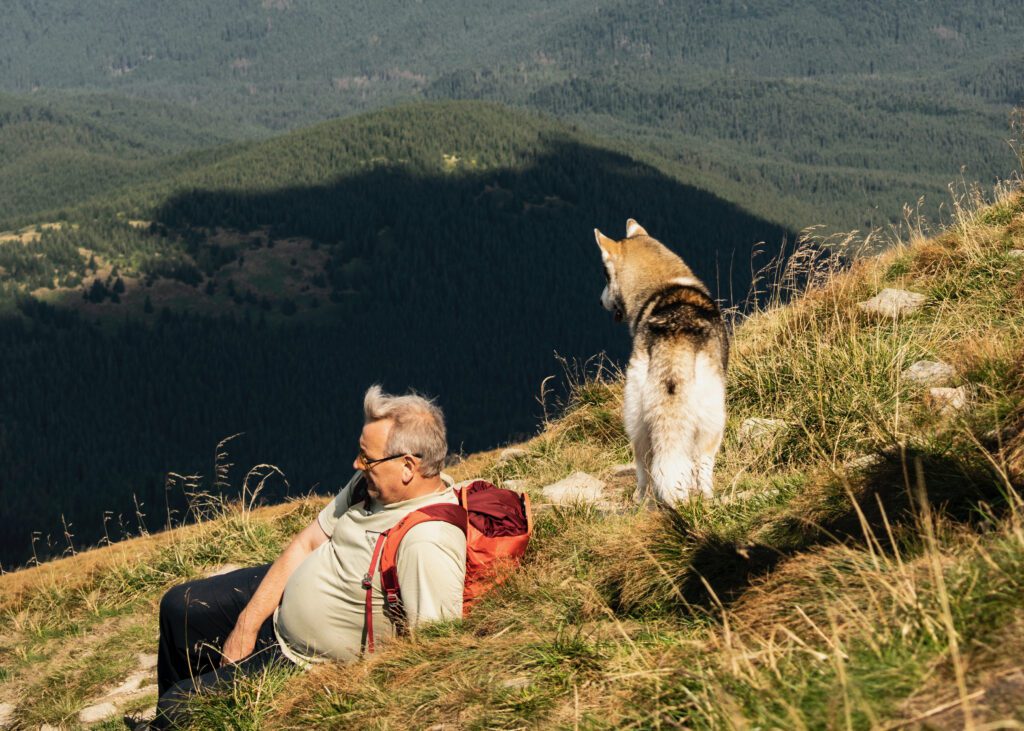
Check the forecast for your destination, including temperature, wind, rain, and conditions at higher elevations. Choose clothing for the activity and carry extra protection for unexpected changes.
Use layers you can adjust as you warm up or cool down. A moisture-wicking base layer, an insulating layer when needed, and an outer layer suited to wind and rain give you useful options.
Choose clothing that allows comfortable movement. Add a hat, gloves, or sun protection as conditions require, and keep spare clothing dry inside your pack.
Clothing is only part of preparation. Shorten, postpone, or change your outing when the weather exceeds your experience or equipment.
Recognize Heat and Cold Warning Signs
Heat and cold illnesses can affect people of any age. Learn the warning signs before your outing, and watch for changes in yourself and your companions.
In hot conditions, headache, nausea, dizziness, weakness, and heavy sweating can signal heat exhaustion. Stop activity, move to a cooler place, begin cooling, and seek medical attention. Someone should stay with the affected person.
Confusion, slurred speech, seizures, or loss of consciousness in the heat may indicate heatstroke. Call 911 immediately—or activate your emergency SOS device if outside mobile coverage—and begin cooling the person with cool water or wet cloths while help is arranged. Heatstroke can occur even when someone is sweating.
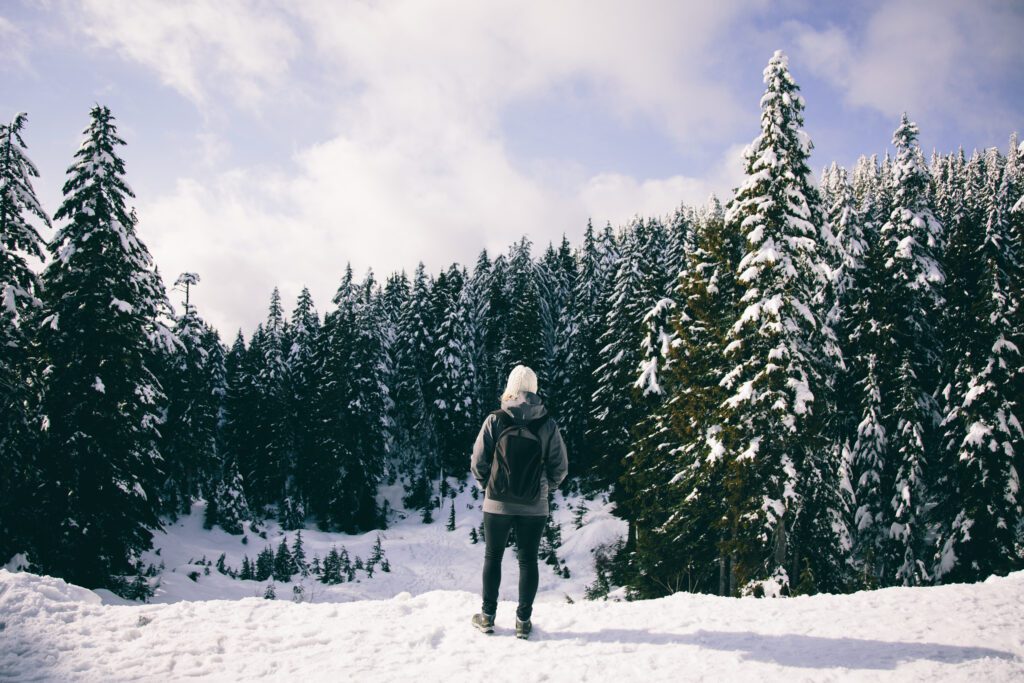
In cold conditions, shivering, unusual exhaustion, fumbling hands, confusion, slurred speech, or drowsiness can signal hypothermia. Seek urgent medical help, move the person into shelter, replace wet clothing with dry layers, and handle them gently. Hypothermia can occur in cool weather when someone becomes wet and chilled.
Do not try to push through these symptoms or leave an affected person alone.
Choose Equipment That Works for You
Choose equipment for your activity, terrain, and personal needs. Comfortable footwear, a well-fitting pack, and supplies you know how to use are a practical starting point.
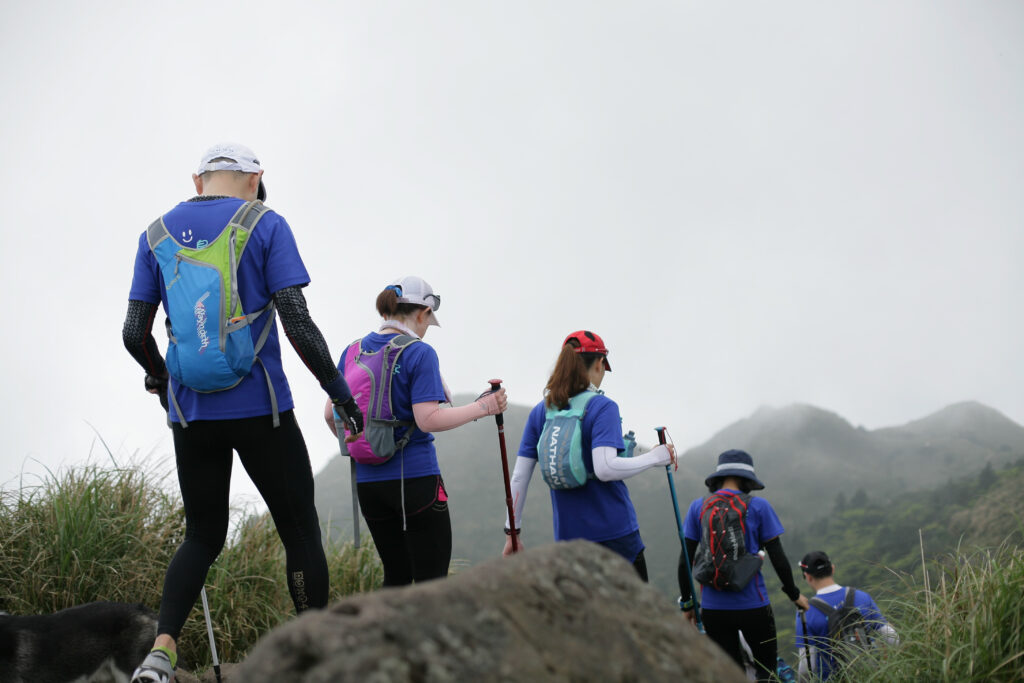
Trekking poles are an option to try, rather than a requirement for everyone over 50. Practice adjusting and using them on an easy route before taking them onto more demanding terrain. Keep your hands free of straps when a situation requires you to release the poles quickly.
Check your equipment before each outing. Look for worn footwear, damaged straps, flat batteries, or missing supplies. Carry essential items where you can reach them, and avoid adding equipment you don’t know how to use.
For paddling and other activities, follow the relevant safety guidance and get instruction in the equipment and skills the activity requires.
Plan Your Water Supply
Plan your water supply before heading out. Consider the activity, weather, length of the outing, and where you can reliably refill. Carry extra water for unexpected delays.
Keep water accessible and take drinking breaks throughout your outing. In hot weather, combine hydration with shade, rest breaks, and a less demanding route. Drinking water alone does not prevent heat illness.
Your fluid needs are individual. If you have a prescribed fluid restriction or a condition that affects hydration, ask your healthcare professional how to prepare for outdoor activity. Some medicines can also affect your response to heat; discuss concerns with your clinician rather than changing medication yourself.
If your water supply is running low, shorten the outing or turn back while you still have enough for the return journey.
Choose a Comfortable Way to Carry Water
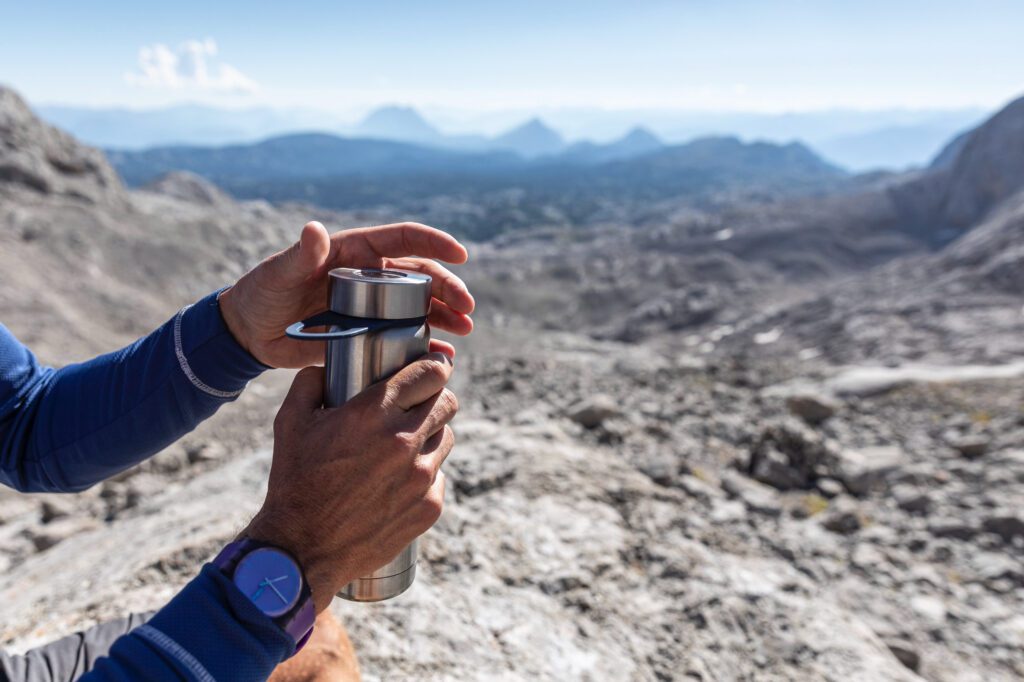
Water bottles and hydration reservoirs are both options. Choose a system that fits your pack, carries your planned supply, and is easy for you to use.
A reservoir with a drinking tube can make water convenient to reach. Bottles make it easy to see how much remains and can be simpler to refill. Try your setup on a short outing before relying on it for a longer trip.
Check caps, seals, and tubing for leaks before leaving, and clean the system according to the manufacturer’s instructions. Make sure your pack also has room for the other essentials your outing requires.
Your Pre-Trip Safety Checklist
Before you head out, take a few minutes to check:
• Your route suits your current abilities and experience.
• You’ve checked weather, daylight, closures, and local conditions.
• Someone knows your route, expected return time, and when to seek help if you’re overdue.
• You have the clothing, water, food, and emergency supplies your activity requires.
• Your navigation tools are ready, and you know how to use them.
• Your phone is charged, and you have considered communication options where reception is limited.
• Your equipment is in working order, and any required permits are arranged.
• You have a turnaround time and an alternative plan if conditions change.
Check in with your contact when you return. Use what you learned to prepare for your next adventure.
Prepare Well, Then Enjoy Your Adventure
Preparation helps you choose an adventure that suits your interests, abilities, and the conditions. Start with a manageable outing, stay flexible, and give yourself permission to change plans.
For help choosing a trail and packing for a day hike, explore our Hiking Over 50 guide. Visit Over 50 Outdoors for more ideas for your next adventure.
Adventure Never Gets Old.
Safety Resources: